The Value of Proper Dental Hygiene
Maintaining a bright, healthy smile and avoiding a variety of oral and systemic health problems are made possible by practicing good dental hygiene, which is the cornerstone of general health and well-being. Brushing your teeth is only one aspect of good dental hygiene; other practices include daily routines, routine professional care, and lifestyle choices that support oral health. By taking preventative measures to maintain your teeth and gums, you can avoid future discomfort, expensive procedures, and health issues.
The habit of brushing your teeth at least twice a day is fundamental to oral hygiene. Plaque, germs, and food particles that build up on your teeth and along the gum line can be eliminated by using a soft-bristled toothbrush and fluoride toothpaste. Throughout the day, plaque—a sticky layer of bacteria—forms. If untreated, it can solidify into tartar, which needs to be removed by a specialist. Because flossing gets rid of debris and plaque from places between teeth that a toothbrush cannot reach, it is equally important to floss every day. Gum disease, cavities, and foul breath can result from breaking these simple routines.
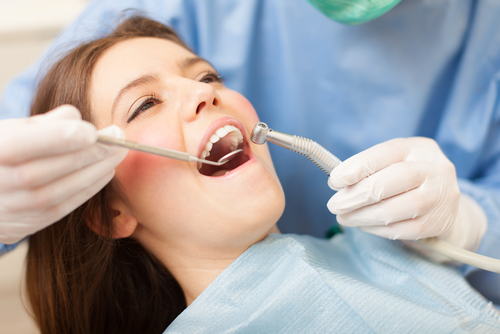
In order to maintain the best possible oral health, routine dental examinations and cleanings are essential. Dental professionals and hygienists are able to spot early warning indications of issues including gum disease, tooth decay, and oral cancer that might not be apparent or show symptoms immediately away. In order to maintain your teeth looking their best and preventing stains, professional cleanings remove hard tartar and polish them. Additionally, these appointments offer a chance to talk about issues, get tailored guidance, and remain up to date on the most recent developments in oral health. Be sure to scheudle your checkup at the office of your regular Provo dentist.
Additionally, dental hygiene is greatly influenced by a nutritious diet. Foods that are heavy in sugar and starch encourage the growth of germs that cause gum disease and cavities. You may reduce the chance of decay and strengthen your teeth and gums by eating a balanced diet full of fruits, vegetables, lean meats, and dairy products. Throughout the day, drinking lots of water helps to rinse away bacteria and food particles, keeping your mouth hydrated and lowering the risk of dry mouth, which can worsen oral health issues.
Gum health is a basic yet frequently disregarded component of dental hygiene. Plaque accumulation causes inflammation of the gums, which is the first sign of gum disease, also known as periodontal disease. With the right treatment, gingivitis, which is in its early stages, can be reversed and cause redness, swelling, and bleeding. If treatment is not received, it may develop into periodontitis, a more serious ailment that harms the bone and tissues that support the teeth. Brushing and flossing should be done regularly to maintain healthy gums. Regular dental checkups are also necessary to check for any indications of gum disease.
Negative habits that can affect dental hygiene include smoking and binge drinking. For instance, smoking can cause oral cancer, discolor teeth, and raise the risk of gum disease. Drinking too much alcohol can dry out the mouth and erode tooth enamel, which increases the risk of dental decay. Your oral health will significantly improve and the risk of major complications will decrease if you stop these habits or use them less frequently.
For many, self-confidence and dental hygiene are linked. Maintaining a healthy grin can help you feel better about yourself, interact with people more effectively, and change how other people see you. On the other hand, tooth discoloration, foul breath, and other dental problems that could be uncomfortable or embarrassing can result from inadequate oral care. Taking the time and making the effort to keep your mouth healthy is not just about avoiding issues but also about feeling your best at all times.
Early instruction on the value of dental hygiene lays the groundwork for lifelong healthy practices. Making routine dental visits enjoyable for children and teaching them how to brush and floss correctly are important tasks for parents. As they mature, their dental health can be further supported by promoting a nutritious diet and avoiding sugary snacks.
Including oral hygiene in your daily routine is an easy yet effective strategy to improve your quality of life and safeguard your health. You can protect your teeth and gums and improve your general health by making dental hygiene a priority. A healthier, more radiant future can result from taking care of your smile now.