Essential Tips for Pediatric Dental Care
The oral health of newborns, kids, and teenagers is the focus of the specialty area of dentistry known as pediatric dentistry. Preventive care, early detection, and treatment of dental conditions specific to young people are its main objectives. Pediatric dentistry contributes to the establishment of a lifetime of healthy smiles by promoting favorable dental experiences in children.
Prevention is one of pediatric dentistry’s main objectives. Early adoption of healthy oral hygiene practices can dramatically lower the incidence of gum disease and cavities. Pediatric dentists teach parents and kids the value of brushing, flossing, and eating a healthy diet for good oral health. Dental sealants and fluoride treatments are frequently applied as preventative measures. Sealants offer a protective layer over molars, protecting these delicate teeth from cavities, while fluoride fortifies dental enamel and lowers the chance of decay. Common dental issues can be avoided with these quick, painless, and non-invasive procedures.
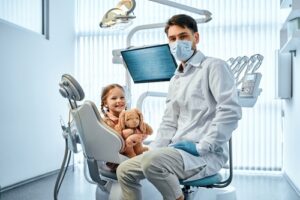
Another essential component of pediatric dentistry is routine examinations. Pediatric dentists can track a child’s jaw and tooth development with early dental appointments. Before they grow more complicated, they are able to spot possible difficulties including crowding, misalignment, or biting abnormalities. Better results are sometimes ensured by early intervention, which frequently results in simpler and less intrusive therapies. Additionally, regular dental visits help kids feel at ease at the dental office, which lowers anxiety and promotes a healthy attitude toward oral hygiene.
Tooth decay is one of the most frequent issues children dentists deal with. Childhood cavities are common and can appear quickly, particularly if a child consumes sugary snacks or beverages. Pediatric dentists treat cavities using cutting-edge methods and kid-friendly strategies, frequently choosing least invasive procedures whenever feasible. For more severe decay, restorative procedures like crowns or fillings could be required to protect and maintain the damaged tooth’s functionality.
Oral behaviors that can affect dental health are also addressed in pediatric dentistry. Common habits like thumb sucking, pacifier use, and teeth grinding might have an impact on jaw growth or tooth alignment if they persist. In order to lessen the impacts of these habits, pediatric dentists collaborate with parents to detect them early and offer advice or treatment alternatives, such as personalized mouthguards or techniques for breaking bad habits.
Pediatric dentistry prioritizes establishing a warm and stimulating atmosphere for young children in addition to providing physical treatments. To make the encounter fun, pediatric dentist offices frequently feature lively colors, whimsical décor, and kid-friendly features. Staff members and dentists are taught how to interact with kids in a way that calms anxieties and fosters trust. In addition to guaranteeing good dental appointments, this caring approach gives kids confidence in their ability to take care of their oral health.
An additional crucial component of pediatric dentistry is orthodontic examinations. Children should get a first evaluation of their orthodontic needs around the age of seven. In order to detect misaligned teeth or abnormal bite patterns, pediatric dentists collaborate closely with orthodontists. By guiding appropriate jaw and tooth development early on, such as with space maintainers or interceptive braces, more invasive orthodontic treatment may be avoided later in life.
Another crucial topic of pediatric dentistry is trauma care. Active kids are more likely to have dental injuries like broken, chipped, or knocked-out teeth, especially when playing sports or engaging in leisure activities. Pediatric dentists are prepared to manage these crises, offering timely and efficient care to restore a child’s teeth’s beauty and functionality. Additionally, they support preventative measures like mouthguards to shield young players’ teeth from harm.
Additionally, pediatric dentists are educated to handle the particular demands of kids with certain medical needs. These kids can have trouble getting dental care or keeping up their oral hygiene. Pediatric dentists provide individualized care, modifying their methods and treatment strategies to make sure these young patients have a positive and pleasant experience.
Pediatric dentistry has an impact that extends beyond oral health. Providing a solid dental foundation in childhood enhances general health and wellbeing. Prioritizing dental care from a young age is even more crucial now that research has linked oral health to systemic health. A child’s attitude toward oral cleanliness is greatly influenced by pediatric dentists, who also provide them with the skills and habits needed for long-term dental success.
To sum up, pediatric dentistry is crucial for helping kids acquire good oral hygiene practices and for treating dental problems that are unique to their developmental stage. Pediatric dentists help kids develop the self-assurance and lifelong skills necessary to keep their smiles healthy by fusing preventive care, early intervention, and a caring approach. Pediatric dentistry’s specialized care guarantees that young patients develop a healthy attitude toward oral hygiene as well as the skills necessary for lifetime dental wellbeing.