The Value of Dental Hygiene
The foundation of oral health is proper tooth cleaning, which is essential for avoiding cavities, gum disease, and other dental issues. Although brushing and flossing should be done every day, professional teeth cleanings offer a higher degree of care that is not possible at home. In addition to removing plaque and tartar, these regular dental checkups improve general health by stopping oral bacteria from spreading to other areas of the body.
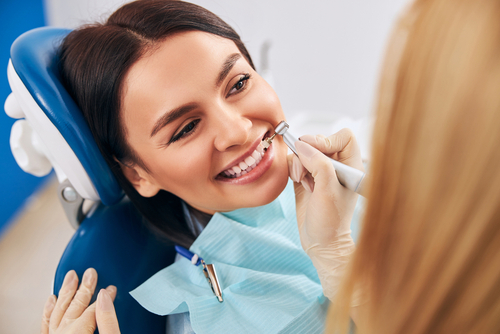
Scaling and polishing are the two main procedures used in professional teeth cleaning. Using specialized instruments, scaling eliminates plaque and tartar accumulation from tooth surfaces and the gum line. Since tartar, a hardened form of plaque, cannot be eliminated by routine brushing or flossing, this step is essential. Following scaling, polishing leaves teeth glossy and smooth while lowering the possibility of plaque future adherence to their surfaces.
Gum disease, which starts with plaque buildup at the gum line, can be avoided with regular teeth cleanings. This might result in gingivitis, which is characterized by bleeding, redness, and inflammation of the gums, if left untreated. By removing these dangerous deposits, routine cleanings assist maintain healthy gums and reduce the chance of developing periodontitis, a more severe form of gum disease that can cause bone damage and tooth loss.
Cleanings are also useful in treating halitosis, or foul breath, which is frequently brought on by germs and food particles that become lodged in difficult-to-reach places of the mouth. Professional treatments leave the mouth feeling fresh and odor-free by completely cleansing these areas. Additionally, by eliminating surface stains brought on by food, drinks, and lifestyle choices like smoking, routine cleanings can make your smile brighter.
In order to look for early indicators of dental problems like cavities, gum recession, or oral cancer, dentists or dental hygienists also do an oral examination during a teeth-cleaning appointment. Early detection of these issues enables simpler, less intrusive therapies. Patients can avoid future suffering, invasive procedures, and increased expenses by taking this preventive measure.
The majority of dentists advise scheduling teeth cleanings every six months, though the exact frequency will depend on each patient’s needs. More frequent visits, however, might be advantageous for people with particular diseases, such as diabetes, gum disease, or a history of cavities. Based on your oral health, your dentist can offer tailored advice.
Cleaning your teeth promotes general health in addition to keeping your smile looking great. Studies have demonstrated connections between systemic diseases like diabetes, heart disease, and respiratory infections and dental health. Frequent cleanings lessen the amount of bacteria in the mouth, which lowers the chance that these bacteria will enter the bloodstream and cause further health problems.
A thorough at-home oral hygiene regimen should be supplemented by professional teeth cleaning for best results. In between dental appointments, you may preserve the benefits of your cleaning and safeguard your teeth and gums by brushing at least twice a day with fluoride toothpaste, flossing every day, and using mouthwash.
In conclusion, maintaining long-term oral and general health requires regular tooth cleaning. You can lower your risk of dental and systemic health problems and enjoy a healthier, brighter smile by combining professional cleanings with healthy behaviors at home. Frequent dental checkups are an investment in your well-being that will pay you in the short and long run.