A Complete Guide to Gum Care
Despite having a direct effect on overall tooth health, gum health is an important but frequently disregarded aspect of oral care. Gums that are in good health operate as a barrier against dangerous microorganisms, support teeth, and preserve bone integrity. Untreated gum disease can result in tooth loss, periodontal disease, and even systemic health issues. Thankfully, there are a number of procedures available in contemporary dentistry to treat gum disease and improve dental health.
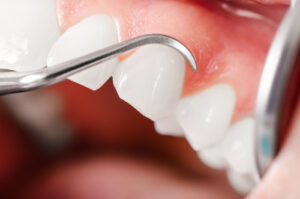
Gum redness, swelling, and bleeding are common signs of gingivitis, the initial stage of gum disease. Plaque accumulation, a sticky layer of germs that develops on teeth, is the main cause of it. The problem can be made worse by smoking, poor dental hygiene, some drugs, and underlying medical conditions including diabetes. The good news is that gingivitis can be reversed with prompt treatment, which usually entails better daily oral hygiene practices and professional cleanings.
Periodontitis, a more serious kind of gum disease, can arise from gingivitis as it worsens. The connective tissue and bone that support teeth in place are among the deeper gum structures that are impacted by periodontitis. Gum recession, loose teeth, foul breath, and pockets developing between teeth and gums are some of the symptoms. Significant bone loss from advanced periodontitis may necessitate costly dental operations to restore both function and appearance.
Professional dental cleaning, which eliminates plaque and tartar that are impossible to remove with routine brushing and flossing, is the cornerstone of gum care. Gingivitis can be successfully reversed in mild cases with a thorough cleaning and better at-home oral hygiene. However, scaling and root planing could be required for more serious gum problems. In order to stop plaque buildup in the future, this deep cleaning method smoothes the root surfaces and targets microorganisms beneath the gum line. The initial line of treatment for periodontitis is frequently scaling and root planing, which is carried out under local anesthetic.
In situations where gum disease has progressed considerably, surgery can be necessary. For example, flap surgery includes suturing the gums back into place for improved attachment after raising them to remove tartar deposits. Additional surgical treatments for repairing periodontitis-related damage include bone and soft tissue grafts. Soft tissue grafts aid in the restoration of receding gumlines, while bone grafts use natural or synthetic materials to replace missing bone. These operations enhance the smile’s overall attractiveness in addition to improving dental health.
Another cutting-edge method of treating gum disease is laser therapy. By employing focused laser energy to eliminate germs and sick tissue while encouraging gum tissue recovery, it provides a less intrusive option to standard surgery. Many patients find laser therapy to be an intriguing alternative to tra
ditional procedures since it minimizes discomfort, bleeding, and recovery time.
Gum health depends on a strict at-home oral hygiene regimen in addition to expert treatments. Gum disease risk can be decreased by using an antimicrobial mouthwash, flossing every day, and brushing at least twice a day with fluoride toothpaste. Because they enable dentists to track gum health and treat problems early, routine dental examinations and cleanings are equally crucial.
Gum health is also influenced by diet. Gums can be strengthened and inflammation reduced by eating a balanced diet high in antioxidants, calcium, and vitamins C and D. Avoiding meals that cause plaque to build, such as those that are acidic or sweet, is equally important. Another important component is staying hydrated, which supports saliva flow, which naturally cleans the mouth and destroys dangerous bacteria.
Proactive steps are especially more important for people who are more susceptible to gum disease, such as smokers or people with specific medical disorders. Gum disease risk can be considerably decreased by giving up smoking, controlling long-term medical disorders, and lowering stress. Using water flossers, interdental brushes, or other specialist equipment can also improve oral hygiene.
To sum up, gum therapy includes a variety of non-surgical, surgical, and preventive approaches that are customized to meet the needs of each patient. Timely intervention is essential to maintaining dental health and avoiding long-term consequences, whether treating advanced periodontitis or early-stage gingivitis. People can keep healthy gums and have confident smiles for the rest of their lives by combining expert dental care with conscientious at-home procedures. The cornerstones for preventing gum disease and guaranteeing ideal gum health are routine dental checkups, a nutritious diet, and good oral hygiene practices.