Sleep Apnea: Origins, Signs, and Management
A common but dangerous sleep problem that interferes with breathing while you’re asleep is sleep apnea. Breathing pauses that last anywhere from a few seconds to a minute are caused by this disease, which happens when the airway gets partially or closed. If unchecked, these disruptions can cause a variety of health issues and frequently contribute to poor sleep quality.
Obstructive sleep apnea (OSA), central sleep apnea (CSA), and complex sleep apnea syndrome are the three primary forms of sleep apnea. The most prevalent type, OSA, is brought on by a physical obstruction of the airway, frequently as a result of the soft tissues in the throat collapsing. When the brain does not deliver the right signals to regulate breathing, CSA happens. Obstructive and central sleep apnea are combined to form complex sleep apnea, also known as mixed apnea.
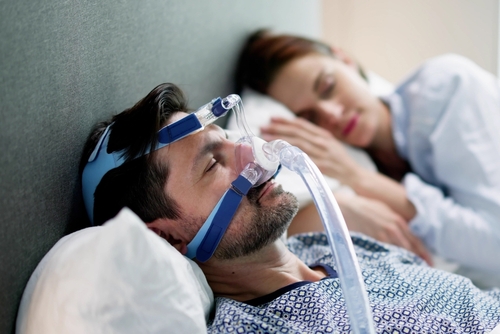
Loud snoring is one of the main signs of sleep apnea, albeit not all snorers have the disorder. Additional typical symptoms include choking or gasping when sleeping, increased daytime sleepiness, headaches in the morning, difficulty focusing, irritability, and waking up with a sore throat or dry mouth. Many people don’t realize they have sleep apnea unless a family member or spouse notices these symptoms while they’re asleep.
Sleep apnea can occur as a result of a number of risk factors. Among these is obesity, which has a high correlation with OSA because it can compress the airway due to excess fat around the neck. Age (middle-aged and older persons are more likely to have sleep apnea), gender (men are more likely to have it), family history, smoking, alcohol consumption, and certain medical disorders including diabetes and high blood pressure are additional risk factors.
Sleep apnea can have detrimental effects on general health if left untreated. It has been connected to a higher risk of high blood pressure, type 2 diabetes, heart disease, and stroke. The cardiovascular system may be strained by the frequent breathing pauses, which can also lower blood oxygen levels. Sleep apnea can impact mental health in addition to physical health, resulting in memory issues, anxiety, and despair.
Thankfully, there are a number of treatment options for sleep apnea, depending on how severe the issue is. Continuous positive airway pressure, or CPAP, therapy is the most widely used treatment for moderate to severe OSA. To maintain the airway open while you sleep, you must wear a mask that is attached to a device that continuously pumps air into it. Even if it works, CPAP therapy needs to be used consistently, and patients may need some time to get used to it.
Changing one’s lifestyle may be enough for mild cases of OSA. These include sleeping on one’s side instead of one’s back, avoiding alcohol before bed, stopping smoking, and decreasing weight. Oral appliances that move the jaw and tongue to maintain an open airway are helpful for certain patients. Often more comfortable and portable than CPAP machines, these devices are custom-fitted by an orthodontist or dentist.
Patients who don’t respond to various therapies could be advised to have surgery. Uvulopalatopharyngoplasty (UPPP) is one procedure that widens the airway by removing extra tissue from the throat. In more severe situations, the jawbones are moved to create greater airway space using maxillomandibular advancement surgery. Hypoglossal nerve stimulation is another cutting-edge technique that involves implanting a device to stimulate the tongue muscles and stop them from folding into the airway.
Regular follow-ups with a healthcare professional are essential for controlling sleep apnea in addition to medicinal therapies. The illness is successfully managed by tracking improvement and modifying medication as necessary, which enhances general health and sleep quality.
Sleep apnea can raise the risk of major health problems and drastically lower quality of life if treatment is not received. The first step to better sleep and overall wellbeing is identifying the symptoms and getting medical help. The majority of persons with sleep apnea may effectively manage their disease and lead better, more peaceful lives because to the variety of treatments that are currently accessible.